
Vocational Rehabilitation Lawyer in Alabama
Your Path to Recovery

Comprehensive Workers Compensation Guide
Navigating the world of workers compensation, particularly vocational rehabilitation, is crucial for ensuring a smooth transition back into the workforce. This guide provides invaluable insights tailored for those in Alabama who are embarking on this journey. Understanding the nuances and the support available can make all the difference in your recovery process. Whether you’re overcoming a physical hurdle or navigating new vocational pathways, knowing your rights and the support systems in place will empower you to take confident steps forward.
Why Vocational Rehabilitation is Key
Vocational rehabilitation plays a vital role in the recovery process by providing injured workers the tools and support needed to reintegrate into the workforce. It not only aids in physical recovery but also empowers individuals with new skills and opportunities, ensuring long-term career sustainability. In Alabama, having access to a structured vocational rehabilitation program means workers can focus on healing while also planning for their professional future. This dual focus on immediate recovery and future success is what makes vocational rehabilitation an integral component of the workers compensation system.
About Mike Bell Accident and Injury Lawyers

Vocational Rehabilitation Demystified
Need More Information?
Essential Vocational Terms Explained
Rehabilitation Plan
A structured strategy designed to facilitate an injured worker’s return to employment through therapy and job training.
Job Placement Assistance
Services aimed at helping rehabilitated workers find suitable employment opportunities post-recovery.
Vocational Assessment
An evaluation to determine an individual’s skills, interests, and abilities for potential job training courses.
Return-to-Work Program
A coordinated approach that ensures injured workers are reintegrated into the workplace efficiently and appropriately.
PRO TIPS
Engage Early with Services
Starting the vocational rehabilitation process early can significantly enhance recovery outcomes. Engaging promptly ensures that workers have access to the best resources and support from the outset, enabling a smoother transition back to work. Early action empowers individuals to craft a more tailored and effective rehabilitation plan.
Utilize Available Resources
Make full use of the resources offered through vocational rehabilitation programs. These resources are designed to support your recovery journey, providing both physical and retraining services. Reaching out to available support networks can help you gain new skills and increase job readiness.
Stay Informed About Rights
Understanding your rights within the workers compensation framework is crucial. Staying informed ensures that you receive the full benefits and support you are entitled to throughout the rehabilitation process. Awareness is a key factor in achieving a successful and equitable recovery outcome.
Navigating Vocational Choices
The Value of a Comprehensive Approach:
Ensuring Complete Support
Comprehensive vocational rehabilitation services provide full-spectrum support for injured workers. This approach ensures that all facets of recovery are addressed, from health assessments to job training. Embracing comprehensive services guarantees a thorough and efficient return to the workforce.
Addressing Diverse Needs
Injuries affect individuals differently, requiring varied intervention levels. A comprehensive service model addresses this by offering customizable programs to fit personal recovery goals. This adaptability ensures that every injured worker has the plan necessary for successful workforce reintegration.
Opting for Targeted Interventions:
Focused Skill Development
For some, targeted vocational rehabilitation efforts may be sufficient, focusing on specific skill enhancements. This option addresses immediate skill gaps, ensuring workers can quickly return to suitable employment. A focused approach is ideal for those with clear, short-term rehabilitation goals.
Streamlining the Recovery Process
Some workers benefit from a streamlined vocational rehabilitation process, which emphasizes ease and efficiency. This approach helps accelerate the transition back into employment by minimizing unnecessary steps. For straightforward cases, a limited framework provides a quick and effective route to work re-entry.
Typical Vocational Scenarios
Returning After a Physical Injury
Physical injuries often necessitate vocational rehabilitation to aid in workplace reintegration. Programs are tailored to address these specific needs, ensuring a smooth return to professional duties.
Adapting to New Work Capacities
Adapting to changes in work capacity due to an injury can be challenging. Vocational rehabilitation offers training and support to align new work capabilities with available roles.
Transitioning Careers Following Injury
Career transitions may be necessary following an injury. Vocational rehabilitation provides resources and support for a successful shift into a new professional field.
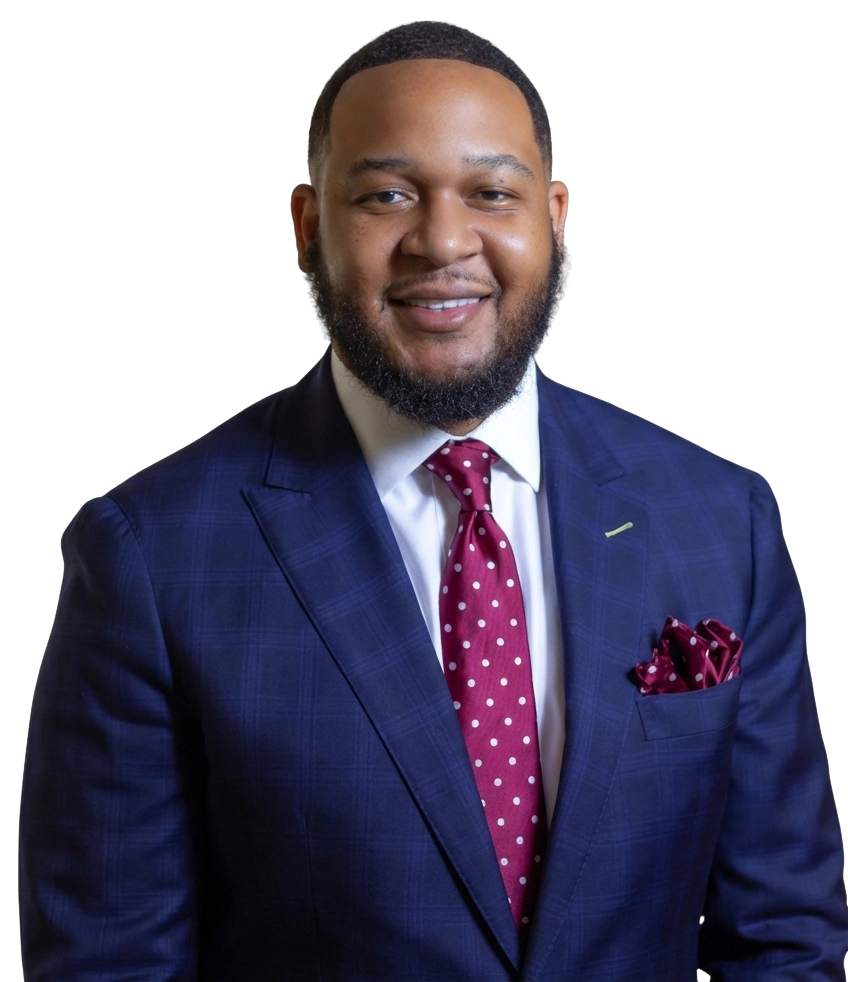
Reasons to Choose Our Firm
Choosing Mike Bell Accident and Injury Lawyers for your vocational rehabilitation needs ensures you’re backed by a firm deeply familiar with Alabama’s workers compensation system. Our legal team is dedicated to providing clients with personalized support and strategic solutions tailored to your unique situation. We focus on removing the burdens of the legal process, allowing you to concentrate on your recovery and vocational goals. Our attention to detail and commitment to client satisfaction make us an ideal choice for navigating vocational rehabilitation complexities.
The hallmark of our service is a client-centered approach, prioritizing open communication and active collaboration. With Mike Bell Accident and Injury Lawyers, you’re engaging a team that is not only knowledgeable but also genuinely cares about your recovery process. Our proactive approach helps anticipate challenges and develop effective strategies to overcome them. Entrust your vocational rehabilitation journey to us, and experience the peace of mind that comes with professional, compassionate legal assistance.
Start Your Rehabilitation Today
People Also Search For
Vocational Rehabilitation Birmingham
Workers Compensation Help
Legal Support for Injured Workers
Job Training After Injury
Return-to-Work Programs
Injury Recovery Support Alabama
Workplace Reintegration Services
Birmingham Career Transition Assistance
Related Services
Workers Compensation Services
FAQS
What is vocational rehabilitation under workers compensation?
Vocational rehabilitation under workers compensation is designed to assist injured workers in returning to the workforce. This program provides the necessary support to overcome physical barriers and facilitates skill development for a new or adapted career path. Workers may receive job training, education, and other services that are integral to a successful transition back into employment. The ultimate aim is to ensure workers can resume meaningful employment and regain economic stability.
How can vocational rehabilitation help me after an injury?
Vocational rehabilitation offers a comprehensive approach to recovering from a work-related injury. By focusing on both physical recovery and skill enhancement, this service helps workers navigate the complexities of returning to their job or finding new employment opportunities. Individuals benefit from tailored support, including access to training programs and job search assistance. This holistic approach ensures workers can make a seamless transition back into their professional lives with confidence and new capabilities.
Are there specific benefits to vocational rehabilitation?
Yes, there are significant benefits to vocational rehabilitation. This service not only accelerates the physical recovery process but also provides essential skills and resources needed to compete in the job market after an injury. The personalized nature of vocational rehabilitation ensures that each worker’s unique needs are met, leading to better outcomes and enhanced job readiness. By supporting both immediate and long-term goals, vocational rehabilitation facilitates a smooth reintegration into the workforce.
Who qualifies for vocational rehabilitation services?
Eligibility for vocational rehabilitation services typically includes workers who have suffered injuries impacting their ability to perform at their previous job capacity. These services are integral for those needing to reassess career paths or adapt to new employment conditions. In Alabama, the eligibility criteria may include both medical assessments and an evaluation of vocational needs. Ensuring qualification for these services involves understanding the legal frameworks and aligning personal recovery goals with available resources.
How is a vocational rehabilitation plan developed?
A vocational rehabilitation plan is generally developed collaboratively between the injured worker, healthcare providers, and vocational specialists. This process begins with an assessment to determine the worker’s current abilities and future career aspirations. From there, a structured plan is crafted to address both educational and financial goals, ensuring a clear pathway back to employment. The plan is continually assessed and modified to align with the progression of the worker’s recovery, ensuring continuity and effectiveness.
What types of support are available in vocational rehabilitation?
Vocational rehabilitation offers multiple forms of support, including counseling, training programs, and job placement services. These resources are tailored to help injured workers acquire new skills or adapt existing ones to fit current job markets. Counseling services provide essential emotional support, while training prepares workers for new career challenges. Job placement services focus on matching workers with suitable employment opportunities, ensuring a smooth transition back into the workforce.
Can vocational rehabilitation help with career changes?
Vocational rehabilitation can significantly assist those interested in changing careers after an injury. It provides access to resources and training necessary for acquiring new skills and competencies relevant to different job fields. Individuals can leverage this service to explore new professional avenues and align their career trajectory with personal interests and market demands. As part of the rehabilitation process, job counseling and career assessments are conducted to optimize the transition into a new occupational domain.
How long does vocational rehabilitation typically last?
The duration of vocational rehabilitation varies depending on the individual’s recovery needs and rehabilitation goals. Some workers may require a few weeks of support, while others might engage with services for several months. The goal is to provide a tailored approach that aligns with the worker’s rehabilitation requirements and transition timelines. Consistently engaging with available services is crucial to enhancing recovery outcomes and achieving a successful return to employment.
What is the role of an attorney in vocational rehabilitation?
An attorney plays a vital role in guiding injured workers through the vocational rehabilitation process. They provide expert legal advice, ensuring that all actions comply with state workers compensation laws. By protecting the rights of workers, attorneys make sure that the full benefits and entitlements of vocational rehabilitation are available and applied. Engaging with a legal professional can significantly navigate the complexities of rehabilitation services, promoting a smoother return to the workforce.
Is vocational rehabilitation mandatory after a work injury?
In some cases, vocational rehabilitation may be a mandatory aspect of a workers compensation claim, especially if the injury prevents a worker from returning to their previous job capacity. Compliance with vocational rehabilitation can be critical for maintaining benefit eligibility. Understanding the specific requirements of your case involves collaboration with legal professionals and vocational specialists who can provide clear guidance. This ensures that you receive uninterrupted support throughout the rehabilitation process.
